Arcey's Chapeau Rouge: A Persistent Accident Hotspot and the Challenge of Delayed Safety Works
The tranquil commune of Arcey, nestled in the picturesque Doubs department of eastern France, often paints a picture of serene rural life. However, beneath this calm façade lies a persistent concern for its residents and local authorities: the notorious Chapeau Rouge crossroads. This specific intersection has gained an unenviable reputation as a recurring accident hotspot, a challenge underscored by a recent "spectacular" incident and the ongoing delays in crucial safety infrastructure upgrades. When we talk about road safety in Arcey, the Chapeau Rouge junction quickly becomes a focal point, embodying the complexities of accident prevention and the critical need for timely intervention.
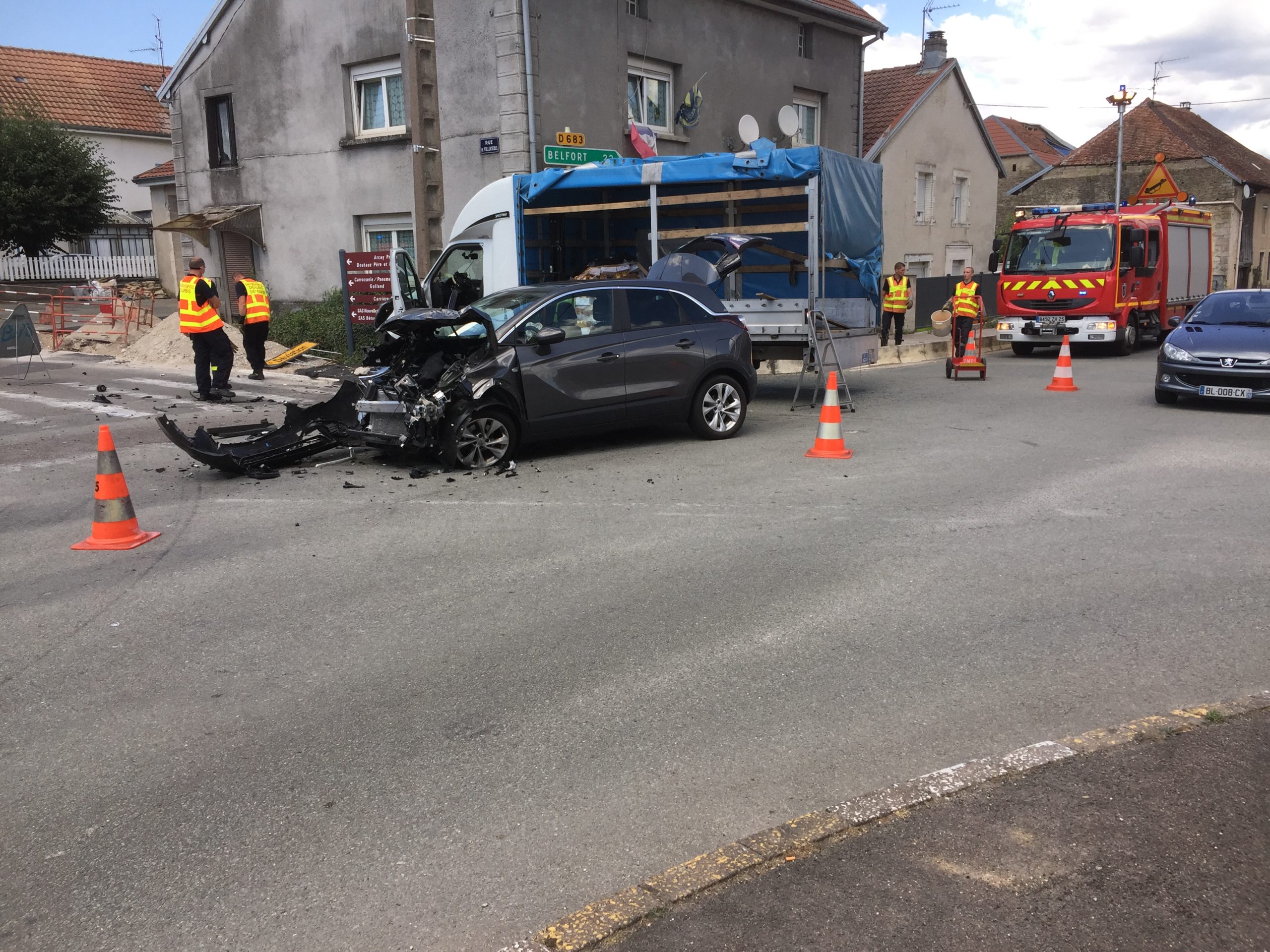
Recent events have only intensified the spotlight on this dangerous intersection. A notable collision occurred on a recent Saturday lunchtime, involving two vehicles at the Chapeau Rouge crossroads. While fortunately, no serious injuries were reported, the incident was significant enough to render both cars "hors d’usage" – completely totaled. The immediate aftermath saw the rapid deployment of local emergency services, with the Mayor and a delegate councillor present alongside gendarmes and firefighters, underscoring the severity of the event and the community's concern. This incident, while not resulting in fatalities or grave injuries, served as a stark reminder of the inherent dangers of the location and the potential for more tragic outcomes. The recurrence of such incidents, large and small, consistently highlights the need for a comprehensive solution to the "Accident Arcey" problem at this critical juncture.
The Notorious Chapeau Rouge Crossroads: A Recurring Problem
The Chapeau Rouge crossroads isn't just a site of occasional incidents; it's officially recognized by local authorities as an "accident-prone location." This designation isn't given lightly; it stems from a documented history of collisions, near misses, and traffic hazards that make navigating this intersection a consistent risk for drivers, cyclists, and pedestrians alike. Such hotspots often share common characteristics: poor visibility, confusing signage, inadequate lane markings, high traffic volumes, or a confluence of multiple roads at unusual angles. While specific details about the Chapeau Rouge's exact design flaws aren't publicly detailed, the consistent plea for safety works suggests fundamental issues.
The impact of such a dangerous intersection extends beyond just the immediate victims of accidents. It breeds anxiety among local residents, impacts daily commutes, and places a strain on emergency services. Each incident, even those without serious injuries, carries significant economic costs – from vehicle damage and insurance claims to emergency response and traffic disruption. For the community of Arcey, the Chapeau Rouge has become a symbol of a problem that demands urgent and effective solutions, a point of continuous discussion whenever the topic of
Arcey Road Accidents: 2009-2024 Statistics & Injury Trends arises. The repeated call for "long-planned" safety works underscores a deeply felt community need that has, regrettably, gone unaddressed for too long.
Unpacking the Delay: Costs, Infrastructure, and Commitment
The frustration surrounding the Chapeau Rouge crossroads is compounded by the fact that safety works have been "planned for a long time." The delay isn't due to a lack of awareness or desire to improve safety; rather, it’s attributed to a complex interplay of financial constraints and unforeseen subterranean challenges. Specifically, the "costs" of the project and the necessity to "renovate existing sanitation elements under the roadway" have significantly pushed back the timeline.
Infrastructure projects, particularly those involving road networks, are inherently complex and often face unexpected hurdles. The discovery of aging or inadequate sanitation infrastructure (like sewage or water pipes) beneath the road surface means that a simple road resurfacing or re-design becomes a far more extensive and costly undertaking. Before any significant road work can proceed, these essential services must be addressed – either upgraded, rerouted, or reinforced – to prevent future disruptions or damage. This added layer of complexity not only inflates the budget but also adds considerable time to planning and execution, requiring coordination with various utility providers and specialized engineering.
Despite these significant obstacles, the municipal team has reiterated that these safety works "remain inscribed in the priorities." This commitment is vital for public trust and signifies that the issue is not being ignored, merely delayed by practical realities. However, for a community living with a known hazard, words of commitment, while appreciated, must eventually be followed by visible action. Finding creative funding solutions, advocating for regional or national support, and streamlining bureaucratic processes become critical steps in transforming these priorities into concrete safety improvements for the citizens of Arcey.
Understanding Road Accident Data in Arcey (and Beyond)
To truly grasp the scope of road safety challenges in Arcey, it's essential to understand how accident data is collected and analyzed. The Ministry of the Interior, responsible for public safety in France, compiles comprehensive statistics on "corporel" road accidents – those involving at least one injured person and at least one vehicle – covering periods like 2009 to 2024. These statistics are crucial for identifying trends, hotspots like the Chapeau Rouge, and informing prevention strategies.
Key definitions used in these statistics include:
*
Killed (Personnes tuées): Victims who died at the scene of the accident or within thirty days following the incident. This metric is the most severe indicator of road safety.
*
Seriously Injured (Blessés graves): Victims who were admitted as patients to a hospital for more than 24 hours as a direct result of the accident. These injuries often involve long-term recovery, significant medical intervention, and a considerable impact on quality of life.
*
Lightly Injured (Blessés légers): Victims who received medical care but were not hospitalized, or were admitted for less than 24 hours. While less severe than grave injuries, these still represent trauma and can involve significant pain and inconvenience.
It's important to note that the total number of injured persons already encompasses both seriously and lightly injured categories. Understanding these distinctions allows authorities to implement targeted interventions – from enhancing emergency medical response to improving road design to minimize the severity of potential impacts. For a deeper dive into these metrics and their implications specifically for Arcey, consider exploring
Arcey Road Safety: Analyzing Fatalities, Serious, and Minor Injuries. Such granular data is indispensable for any effective "Accident Arcey" prevention strategy, helping decision-makers allocate resources where they are most needed and measure the impact of safety initiatives over time.
Proactive Steps for Road Safety: Beyond Infrastructure
While waiting for the long-promised safety works at the Chapeau Rouge crossroads, there are proactive steps that both individuals and the community can take to enhance road safety in Arcey. Infrastructure improvements are foundational, but driver behavior and community awareness play equally critical roles.
Tips for Drivers in Arcey:
- Be Extra Vigilant at Known Hotspots: Approach intersections like the Chapeau Rouge with heightened awareness. Anticipate potential hazards and be prepared to react.
- Adhere to Speed Limits: Speed is a major contributing factor to accident severity. Reducing speed, especially near junctions and residential areas, provides more time to react and minimizes impact force.
- Avoid Distractions: Put away mobile phones, adjust GPS before driving, and keep focus solely on the road. Even a few seconds of inattention can have catastrophic consequences.
- Practice Defensive Driving: Assume other drivers might make mistakes. Maintain safe following distances and be ready to brake or swerve if necessary.
- Regular Vehicle Maintenance: Ensure brakes, tires, lights, and mirrors are in good working order. A well-maintained vehicle is a safer vehicle.
Community and Local Authority Actions:
- Increased Signage and Markings: While permanent works are delayed, temporary or enhanced signage at the Chapeau Rouge could improve driver warning and guidance.
- Community Reporting: Encourage residents to report near-misses or persistent dangerous driving behaviors to local authorities. This feedback can help identify emerging issues.
- Local Enforcement: Visible presence of law enforcement and targeted speed checks can deter dangerous driving and encourage adherence to traffic laws.
- Public Awareness Campaigns: Local campaigns can educate residents on common accident causes, safe driving practices, and the specific dangers of local hotspots.
- Advocacy for Funding: The municipal team can continue to actively seek external funding and support from regional and national bodies to expedite the critical safety works.
These combined efforts create a layered approach to road safety, mitigating risks even as larger infrastructure projects face delays.
Conclusion
The situation at Arcey's Chapeau Rouge crossroads is a microcosm of the broader challenges faced by many local communities regarding road safety. It highlights the tension between the urgent need for safety improvements and the complex realities of funding, planning, and executing significant infrastructure projects. While the recent accident at Chapeau Rouge thankfully caused no serious injuries, it serves as a potent reminder of the inherent dangers and the potential for greater tragedy if systemic issues remain unaddressed. The commitment of the municipal team to prioritize these works, despite the current delays due to costs and underlying sanitation renovations, offers a glimmer of hope. Ultimately, a concerted effort from local authorities, sustained funding, and a vigilant, responsible driving public are all essential components to transform dangerous spots like the Chapeau Rouge into safe passages, ensuring a more secure future for all who travel through Arcey.